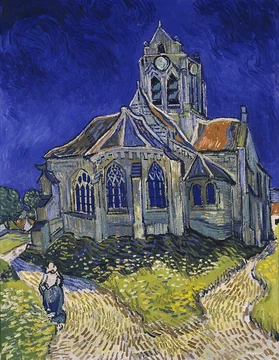
Piet Mondrian
Dutch painter who pioneered abstract art and Neoplasticism.

Paradise Chronicle · Public domain
Pieter Cornelis Mondriaan, known after 1911 as Piet Mondrian, was a Dutch painter and art theoretician regarded as one of the greatest artists of the 20th century. He was a pioneer of 20th-century abstract art, shifting from figurative painting to an increasingly abstract style, ultimately reducing his artistic vocabulary to simple geometric elements. His art was highly utopian, concerned with a search for universal values and aesthetics, and he co-founded the De Stijl art movement with Theo van Doesburg, evolving a non-representational form he termed Neoplasticism.
- born
- 7 March 1872, Amersfoort, Netherlands
- died
- 1 February 1944
- field
- Painting, art theory
- nationality
- Dutch
- known_for
- Pioneer of abstract art, co-founder of De Stijl, Neoplasticism
Verified Timeline
Lore & Background
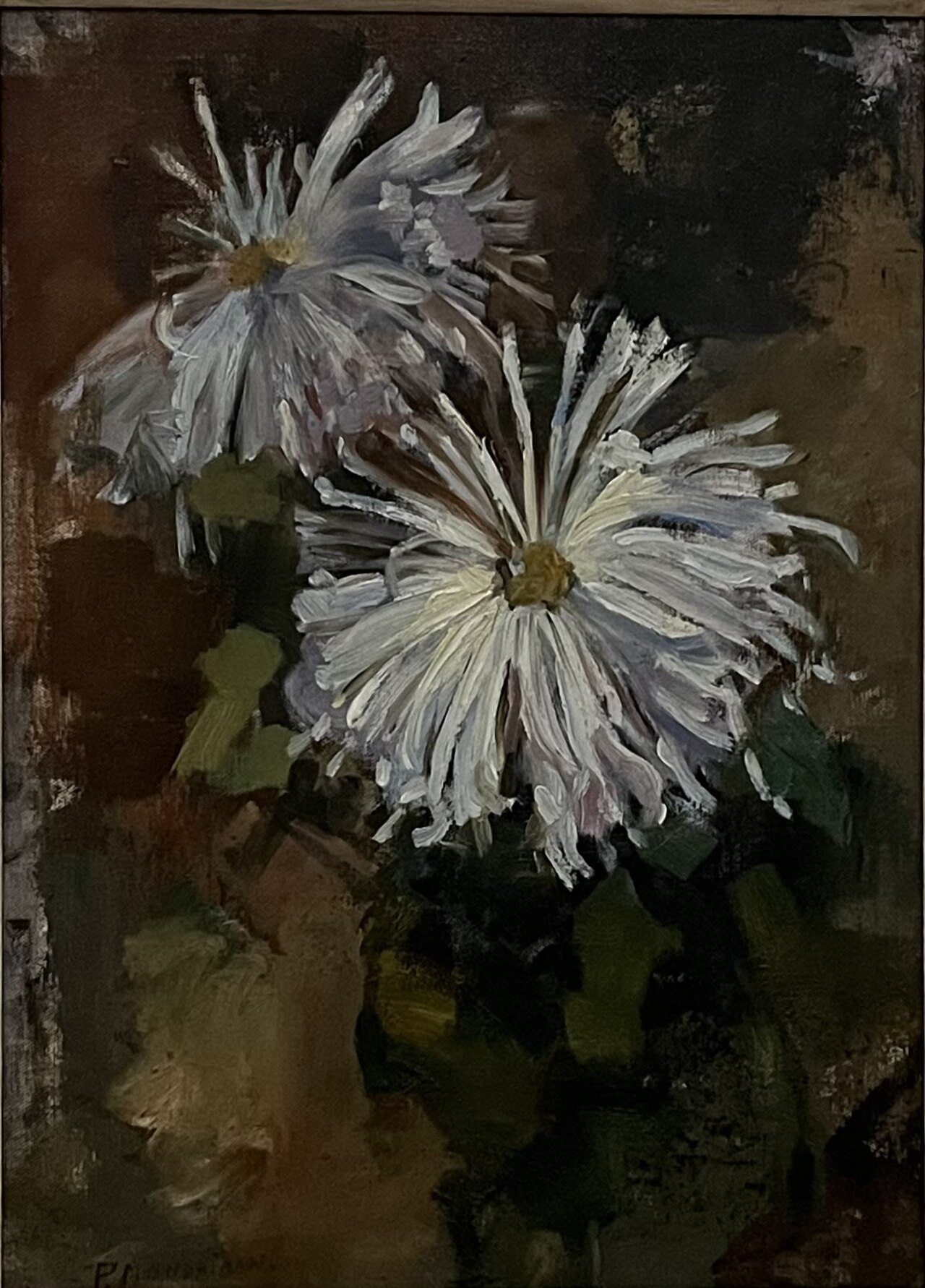
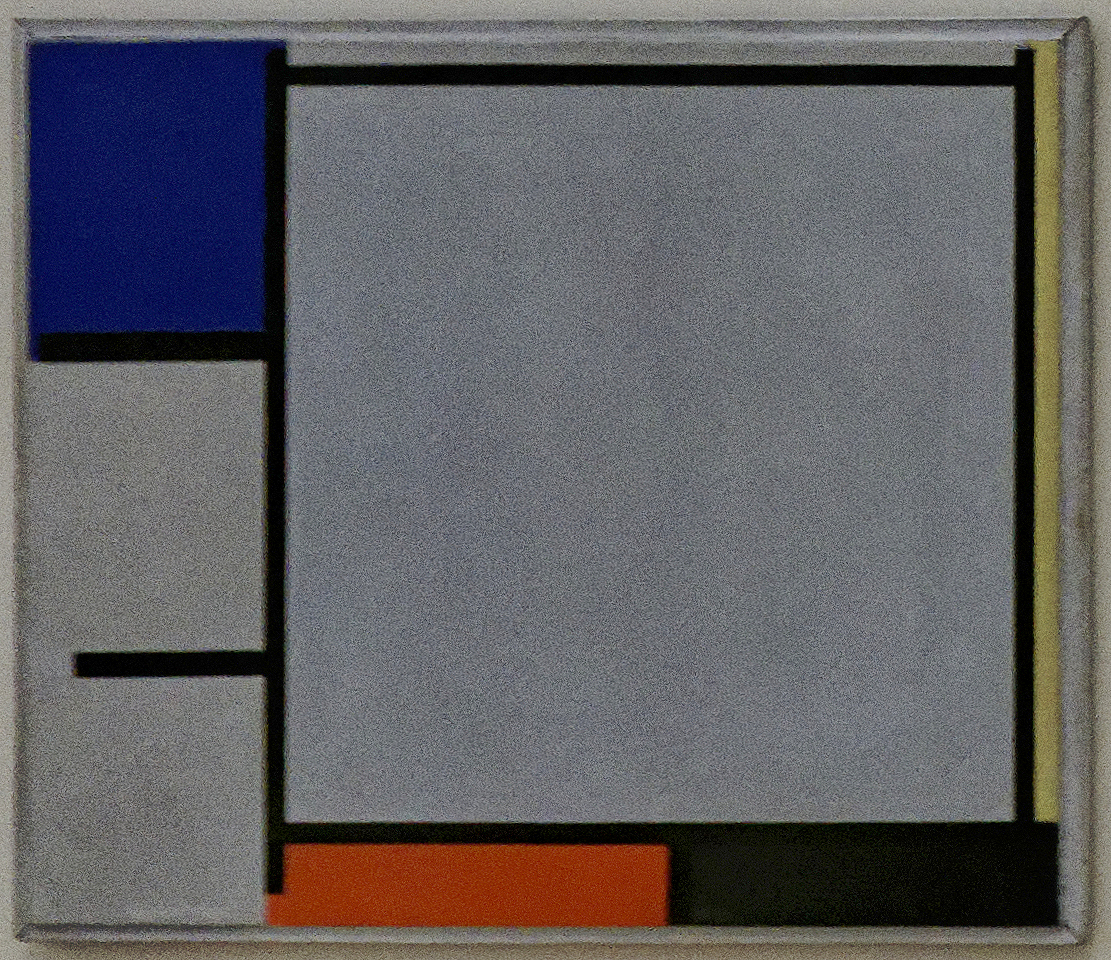
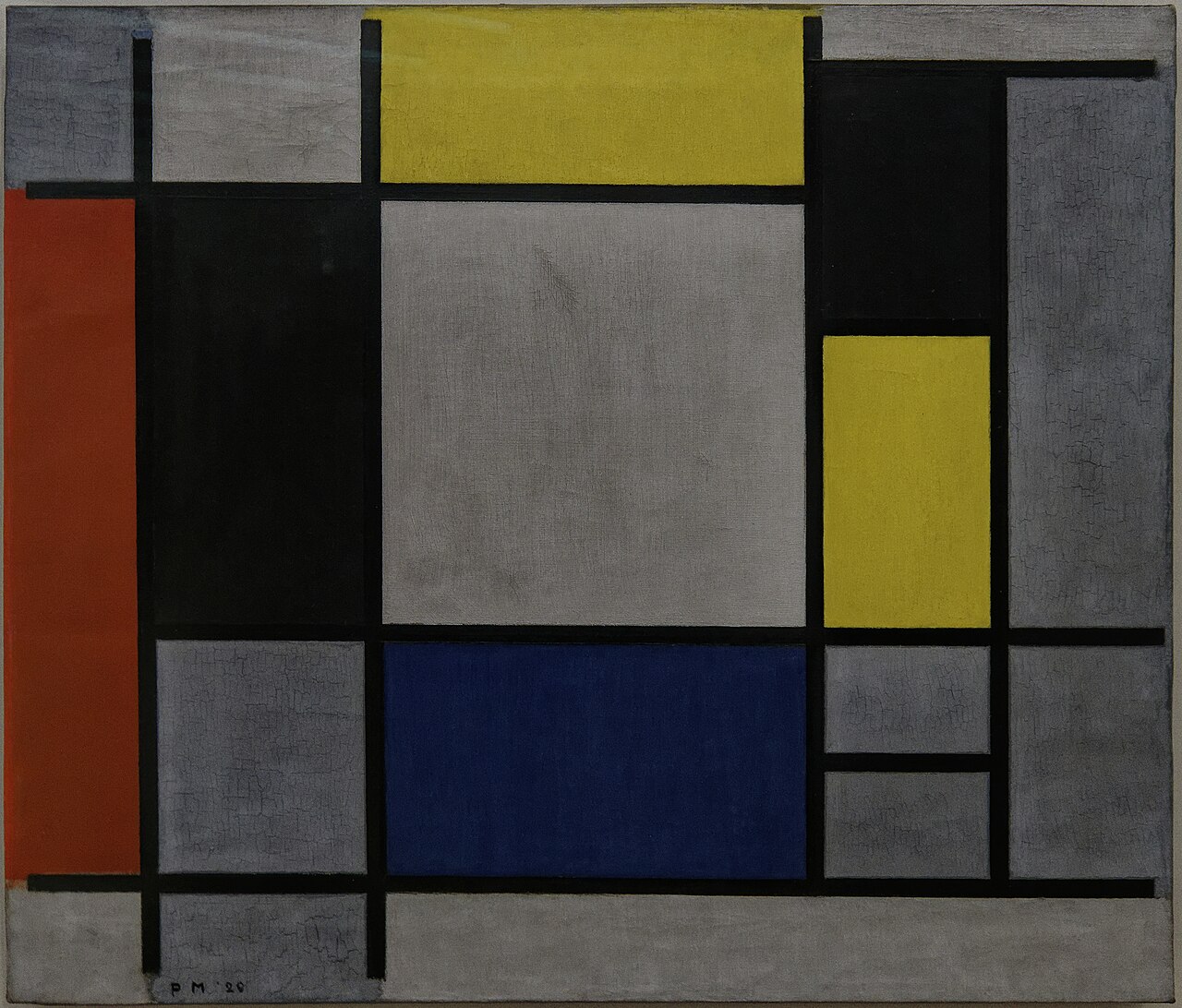
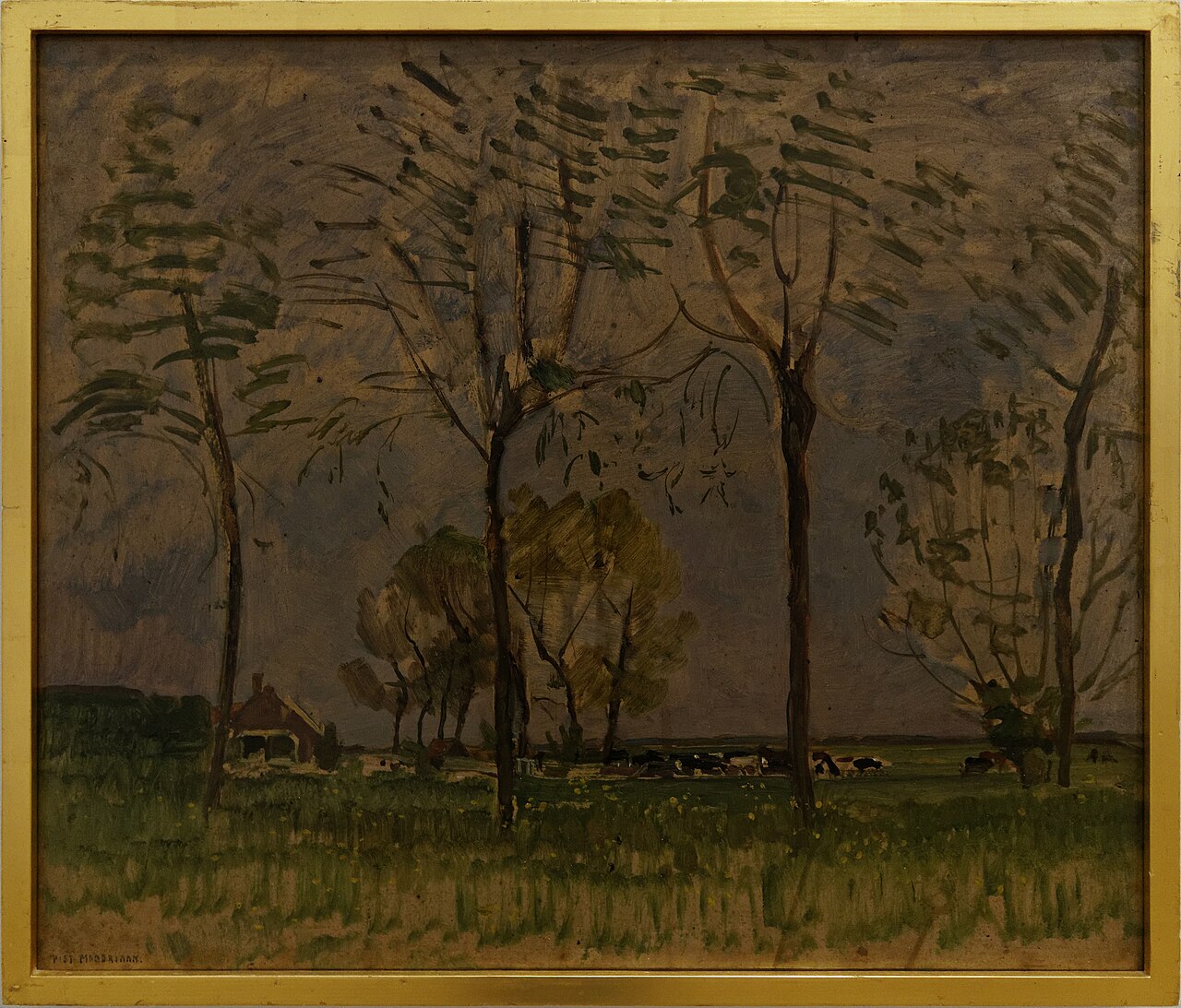
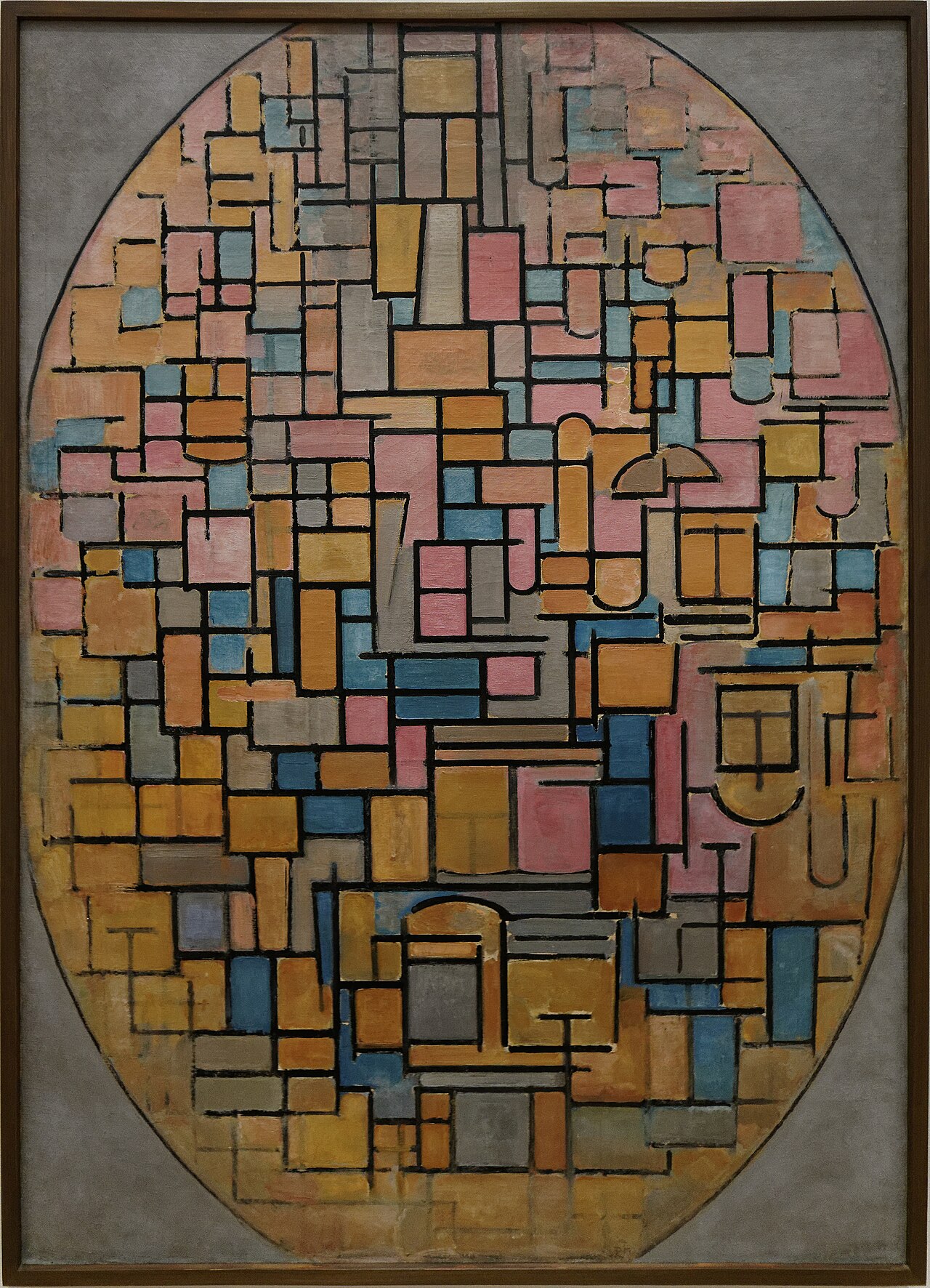
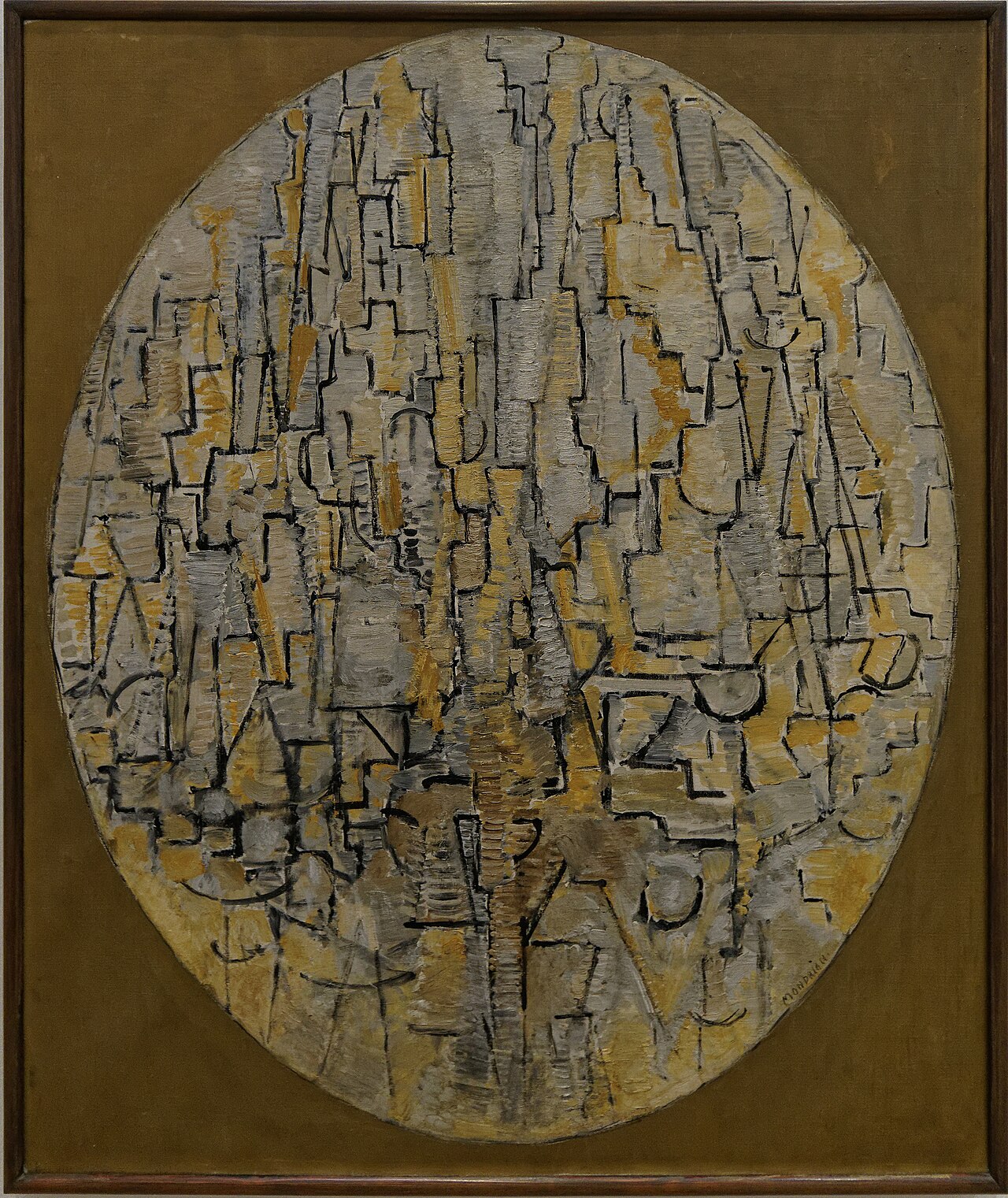
Mondrian was born in Amersfoort, Netherlands, the second of his parents' children, and was introduced to art early by his father, a qualified drawing teacher, and his uncle Frits Mondriaan. After a strict Protestant upbringing, he entered the Academy for Fine Art in Amsterdam in 1892, already qualified as a teacher. His early work was naturalistic or Impressionistic, depicting landscapes, windmills, fields, and rivers, influenced by the Hague School, pointillism, and Fauvism. In 1908, he became interested in the theosophical movement of Helena Petrovna Blavatsky, joining the Dutch branch of the Theosophical Society in 1909, which significantly affected his aesthetic development. Mondrian moved to Paris in 1912, dropping an 'a' from his surname to emphasize his departure from the Netherlands and integration into the Parisian avant-garde. There, Cubism influenced his work, as seen in paintings like The Sea (1912) and his tree studies, though he saw Cubism as a port of call rather than a destination. During World War I, he was forced to remain in the Netherlands, where he met Bart van der Leck and Theo van Doesburg at the Laren artists' colony. Van der Leck's use of primary colors influenced Mondrian, and with Van Doesburg he founded De Stijl, publishing essays defining his theory of Neoplasticism. Mondrian's mature style limited his formal vocabulary to the three primary colors (red, blue, yellow), three primary values (black, white, gray), and two primary directions (horizontal and vertical). He believed this 'pure plastic art' was necessary to create 'universal beauty.' He remained a committed Theosophist, arguing that his neoplasticism was 'the art of the foreseeable future for all true Anthroposophists and Theosophists.'
Reader's Guide
Piet Mondrian's significance lies in his role as a pioneer of 20th-century abstract art and a co-founder of the De Stijl movement. His evolution from figurative painting to an abstract style based on simple geometric elements—primary colors, values, and directions—established Neoplasticism as a major artistic theory. Mondrian's work was deeply intertwined with his spiritual and philosophical studies, particularly Theosophy and Anthroposophy, which drove his search for universal values and aesthetics. His proclamation that 'art is higher than reality' and his belief that art should approach the spiritual by minimizing reality influenced generations of artists and designers. Mondrian's legacy extends beyond painting into architecture, design, and popular culture, as his grid-based compositions and color theory became iconic. His writings, including the 1917-1918 series 'De Nieuwe Beelding in de schilderkunst' and the 1920 French translation 'Le Néoplasticisme,' articulated his artistic vision. Despite his death in 1944, his impact on abstract art and modern aesthetics remains profound, with his works held in major museums worldwide, such as the Kunstmuseum Den Haag.
Did You Know?
- Mondrian changed his name in 1912, dropping an 'a' from 'Mondriaan' to emphasize his departure from the Netherlands and integration into the Parisian avant-garde.
- He joined the Dutch branch of the Theosophical Society in 1909, and in 1918 wrote 'I got everything from the Secret Doctrine,' referring to a book by Helena Blavatsky.
- In 1914, Mondrian proclaimed: 'Art is higher than reality and has no direct relation to reality. To approach the spiritual in art, one will make as little use as possible of reality.'
- His painting 'Avond' (Evening, 1908) is the earliest Mondrian work to emphasize primary colors, using a palette of red, yellow, and blue.
- Mondrian co-founded the De Stijl art movement and group with Theo van Doesburg, and first published his theory of Neoplasticism in twelve installments during 1917 and 1918.
The Architecture of the Dress
The six A-line dresses that defined the 1965 collection were constructed from wool jersey and silk, each one built from individually pre-dyed fabric pieces rather than printed surfaces. Every block of white, red, blue, or black was a separate cut of material, stitched together with extraordinary precision. Working alongside Azzedine Alaïa, Saint Laurent wove the graphic black lines directly into the garment's seams, producing a surface that appeared almost seam-free. The deliberate weight of the chosen fabrics was crucial: the dresses fell in rigid, straight lines, refusing to drape or shift, which reinforced the geometric Modernist vocabulary they were meant to echo. Saint Laurent himself credited Mondrian with pushing him toward simplicity and minimal ornamentation. Yet beneath that apparent ease lay demanding haute couture craftsmanship—precision cutting and labor-intensive finishing that made each dress a costly, one-of-a-kind object. The result was a garment whose visual restraint was achieved only through considerable technical complexity.
Where Canvas Meets Cloth
Saint Laurent was no casual admirer of the visual arts; he maintained a vast personal collection spanning multiple periods and movements, and that collection profoundly shaped his creative decisions. Mondrian occupied a singular place in his thinking. He described the Dutch painter as the embodiment of absolute purity in painting, a purity he linked to the Bauhaus ethos, and went so far as to call a Mondrian canvas the masterpiece of the twentieth century. The six dresses translated the abstract geometric language of De Stijl—the Dutch modernist movement Mondrian helped define—onto the fashionable Western silhouette of the mid-1960s. Critics and scholars have since described the garments as a kind of wearable canvas on which Saint Laurent tested his artistic convictions. More broadly, the collection offered a fresh reading of haute couture: it suggested that an ensemble no longer had to be a total, all-encompassing look, and that elegance could coexist with ease of wear. In doing so, the dresses captured the cultural mood of their moment with remarkable clarity.
From Vogue Cover to Barbie
The collection's reception was immediate and enormous. Fashion magazines around the world devoted extensive coverage to the six dresses, and one of them earned the coveted cover of Vogue in 1965. The geometric aesthetic quickly escaped the confines of the atelier: mass-market manufacturers rushed to produce lower-priced imitations, flooding retail shelves with simplified versions of the design. The ubiquity of copies, far from being a compliment, began to sour Saint Laurent's relationship with the very collection that had made him famous. At the height of its commercial success he reportedly declared, "I hate Mondrian now." The dresses' cultural life, however, has continued to expand. In 2018, Mattel partnered with the Yves Saint Laurent Museum to release a miniature doll collection featuring replicas of iconic outfits, including the Mondrian dress alongside the 1968 Safari jacket and the 1983 Paris evening gown. Today, original examples reside in major institutions such as the Rijksmuseum in Amsterdam, the Victoria and Albert Museum in London, and the Metropolitan Museum of Art in New York.
Questions of Priority and Attribution
Despite the collection's enduring fame, its naming has drawn scholarly scrutiny. Academic writers have pointed out that Saint Laurent's 1965 line drew inspiration from several modernist painters, including Poliakoff and Malevich, and have questioned whether the Mondrian label adequately captures the broader artistic ambitions behind the work. Mondrian clearly played the leading role, but the collection was not exclusively his. The issue of priority has also surfaced. A New York-based fashion reporter writing in 1965 observed that the six dresses bore a striking resemblance to two-colour jersey garments already being produced and widely sold by French designer Michèle Rosier. The New York Times went further, asserting that the same graphic effect had been achieved by American designer John Kloss roughly two years earlier. These observations do not diminish Saint Laurent's achievement, but they situate it within a wider conversation about how modernist visual language was being absorbed into fashion during the mid-1960s. The shoes that completed the look—low-heeled black pumps with bold geometric metallic buckles—were produced by Roger Vivier, adding another layer of collaborative design to the ensemble.
Gallery
Frequently Asked Questions
Who is Piet Mondrian?
Piet Mondrian (1872–1944) was a Dutch painter and art theorist widely regarded as one of the most influential artists of the twentieth century. He is best known for reducing painting to grids of black lines and blocks of primary color, a style that became an icon of modern art.
What is Neoplasticism?
Neoplasticism is the term Mondrian coined for his non-representational approach to painting, which stripped art down to horizontal and vertical lines, right angles, and the primary colors red, yellow, and blue. He believed this pared-down visual language could express a kind of universal harmony.
What is De Stijl and what role did Mondrian play in it?
De Stijl was a Dutch art movement co-founded by Mondrian and Theo van Doesburg that sought to express a universal visual order through the simplest geometric forms. Mondrian supplied much of the theoretical and compositional framework, and his grid-based canvases became the movement's most recognizable face.
How did Mondrian's style evolve over his career?
Early in his career he painted recognizable Dutch landscapes and trees in a fairly traditional manner, but after 1911 he steadily abandoned figurative subjects. By the 1920s and 1930s his work had settled into the pure grid-and-color compositions he is most famous for today.
Where was Mondrian born and how did his life end?
He was born Pieter Cornelis Mondriaan on 7 March 1872 in Amersfoort, Netherlands, and later shortened his name to Piet. He died on 1 February 1944 in New York City, having fled Europe during World War II and continuing to paint in his signature abstract style until his death.
More in Visual Artists 25-31
Related in Visual Artists
Links follow this subject's own source article.
Elsewhere in the Visual Artists universe
Spotted an error? Know more?
This is a living reference — every entry is fact-audited, and reader corrections feed straight into our audit queue. Suggest an edit · See this site's audit record