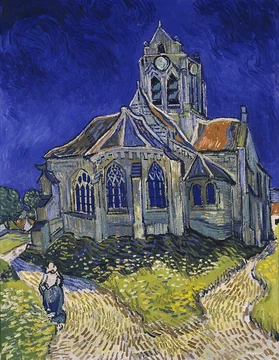
Henri Cartier-Bresson
American photographer and author known for American Power and Family Business.

Corbelle EYG · Public domain
Mitchell Epstein (August 23, 1952) is an American photographer and author. His books include Vietnam: A Book of Changes (1997); Family Business (2003), which won the 2004 Kraszna-Krausz Photography Book Award; Recreation: American Photographs 1973–1988 (2005); Mitch Epstein: Work (2006); American Power (2009); Berlin (2011); New York Arbor (2013); Rocks and Clouds (2018); Sunshine Hotel (2019); In India (2021); and Property Rights (2021). He has also worked in various roles on several films. He was responsible for production design on his ex-wife Mira Nair's films Salaam Bombay! (1988) and Mississippi Masala (1991), and was co-producer on the latter. Epstein's work is held in the collections of the Museum of Modern Art, New York, Whitney Museum of American Art, J. Paul Getty Museum, San Francisco Museum of Modern Art and Tate Modern, London.
- born
- August 23, 1952
Verified Timeline
Lore & Background
Mitch Epstein was born August 23, 1952, and raised in a Jewish family in Holyoke, Massachusetts. He graduated from Williston Academy, where he studied with artist and bookmaker Barry Moser. In the early 1970s he studied at Union College, New York; Rhode Island School of Design, Rhode Island, and the Cooper Union, New York, where he was a student of photographer Garry Winogrand. By the mid-1970s, Epstein had abandoned his academic studies and begun to travel, embarking on a photographic exploration of the United States. Ten of the photographs he made during this period were in a 1977 group exhibition at Light Gallery in New York. Ben Lifson wrote in his Village Voice review: 'He stands between artistic tradition and originality and makes pictures about abandoned rocking-horses and danger, about middle-age dazzled by spring blossoms, about children confused by sex and beasts.' In 1978, he journeyed to India with his future wife, director Mira Nair, where he was a producer, production designer, and cinematographer on several films, including India Cabaret. He did the production design on Salaam Bombay! (1988) and Mississippi Masala (1991), and co-produced the latter. His book In Pursuit of India is a compilation of his Indian photographs from this period.
Reader's Guide
From 1992 to 1995, Epstein photographed in Vietnam, which resulted in an exhibition at Wooster Gardens in New York and the book Vietnam: A Book of Changes. Reviewing the exhibition for Art in America, Peter von Ziegesar wrote of the picture Perfume Pagoda: 'Few photographers have managed to make an image so loaded and so beautiful at once.' In 1999, Epstein returned to his hometown of Holyoke, Massachusetts, to record the demise of his father's two businesses—a retail furniture store and a low-rent real estate empire. The resulting project assembled large-format photographs, video, archival materials, interviews and writing by Epstein. The book, Family Business, won the 2004 Kraszna-Kraus Best Photography Book of the Year award. From 2004 to 2009, Epstein investigated energy production and consumption in the United States for the series American Power. He wrote that he was often stopped by corporate security guards and once interrogated by the FBI for standing on public streets and pointing his camera at energy infrastructure. In 2008, Epstein won the Berlin Prize in Arts and Letters from the American Academy in Berlin, and the photographs he made there were published in the monograph Berlin (2011). For his New York trilogy, New York Arbor and Rocks and Clouds, Epstein photographed the city's trees, rocks, and clouds with an 8×10 view camera and black and white film.
Did You Know?
- Epstein won the 2004 Kraszna-Krausz Photography Book Award for Family Business.
- He was once interrogated by the FBI for photographing energy infrastructure from public streets.
- Epstein was a student of photographer Garry Winogrand at the Cooper Union.
- He was production designer on his ex-wife Mira Nair's films Salaam Bombay! (1988) and Mississippi Masala (1991).
- Epstein's work is held in the collections of the Museum of Modern Art, New York, and Tate Modern, London.
Gallery
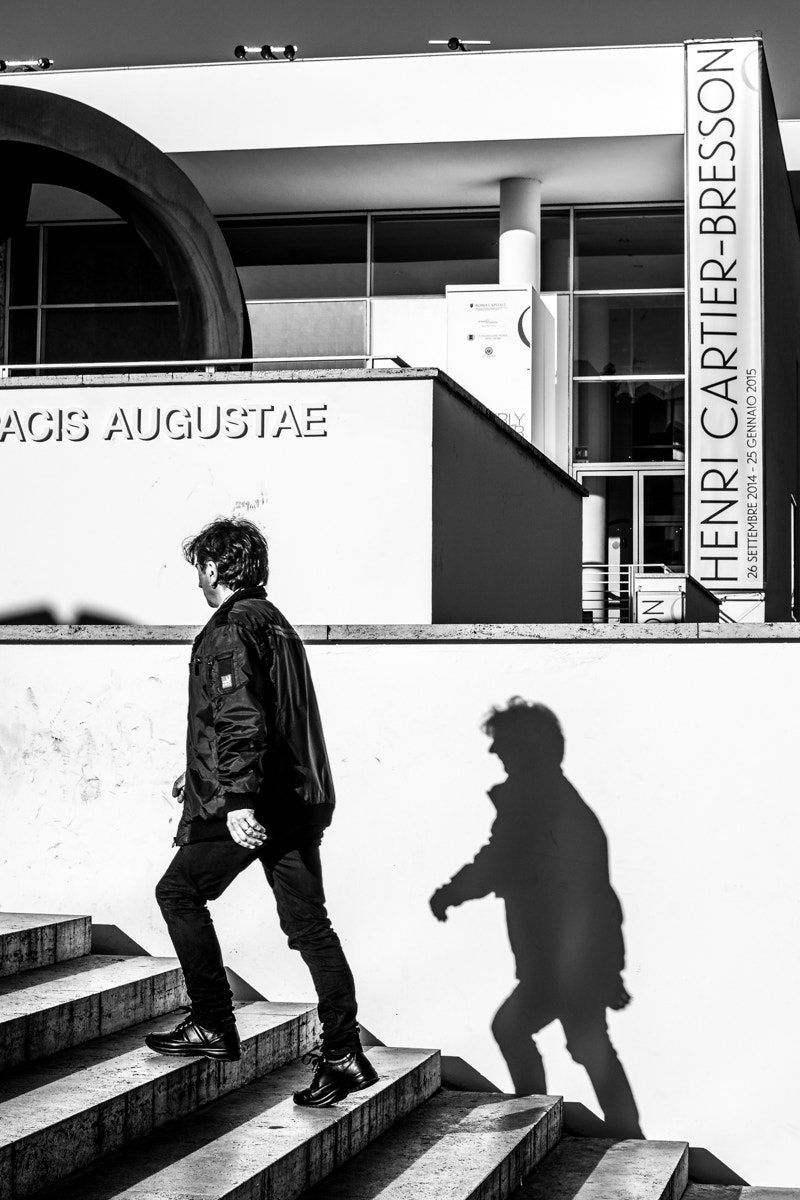

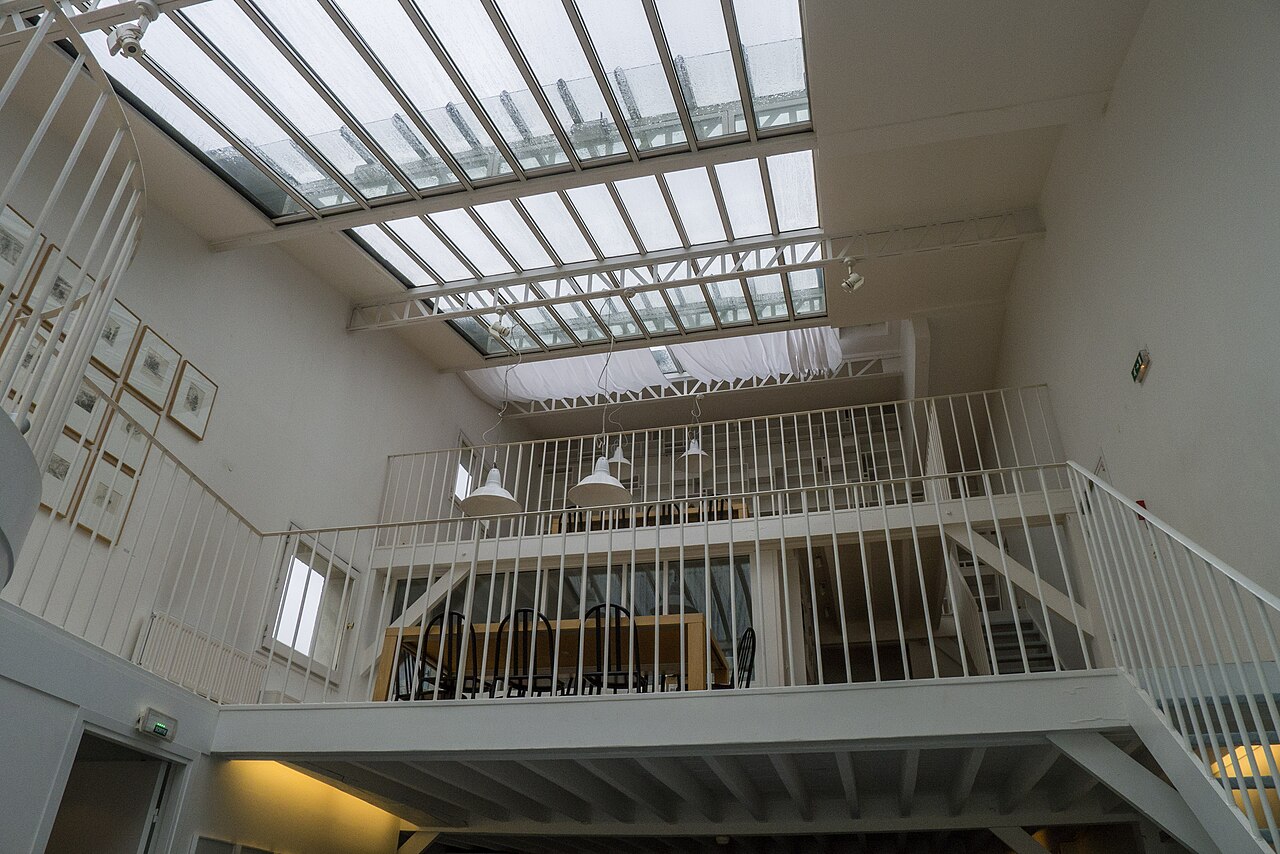
Frequently Asked Questions
Who is Henri Cartier-Bresson?
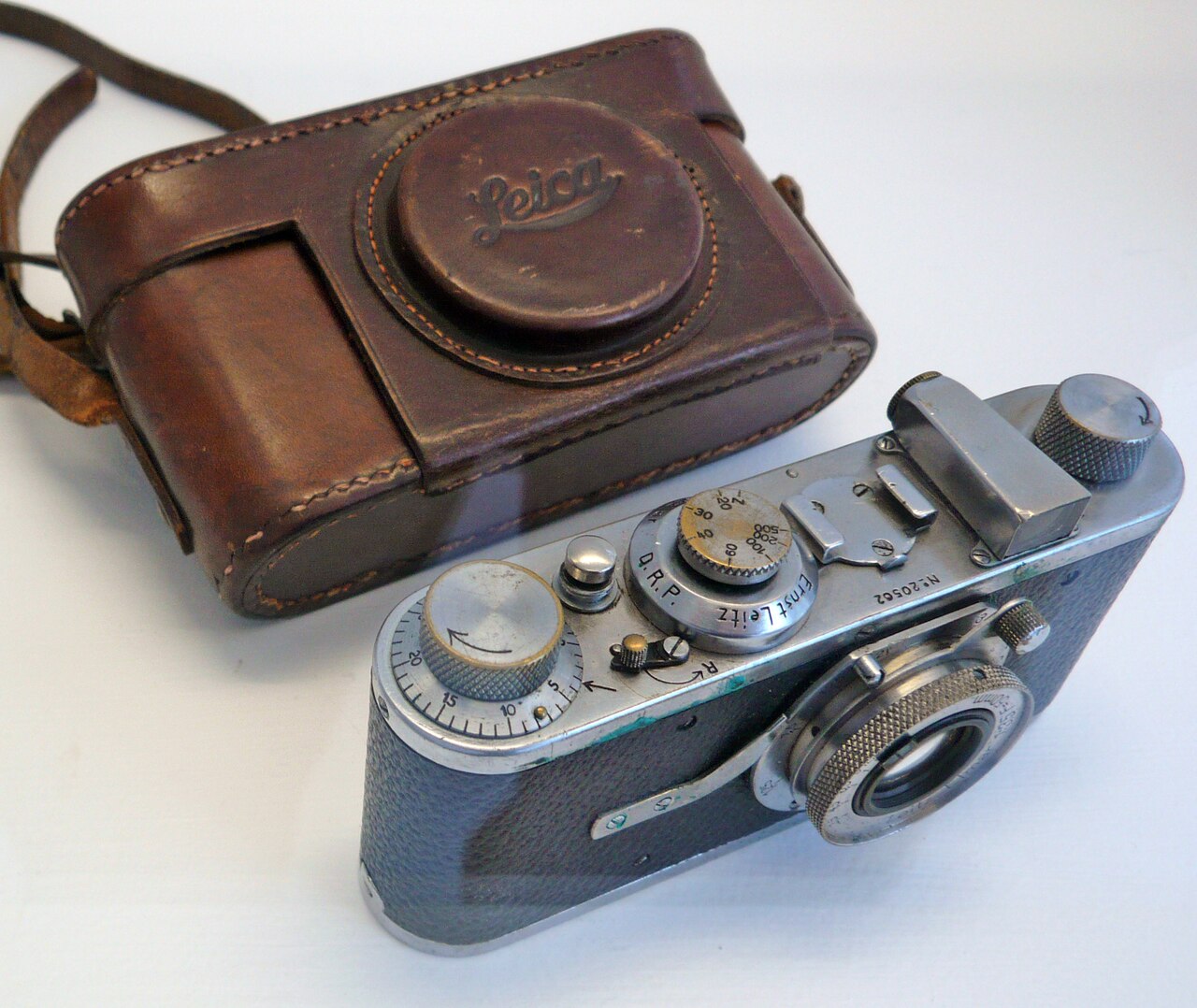
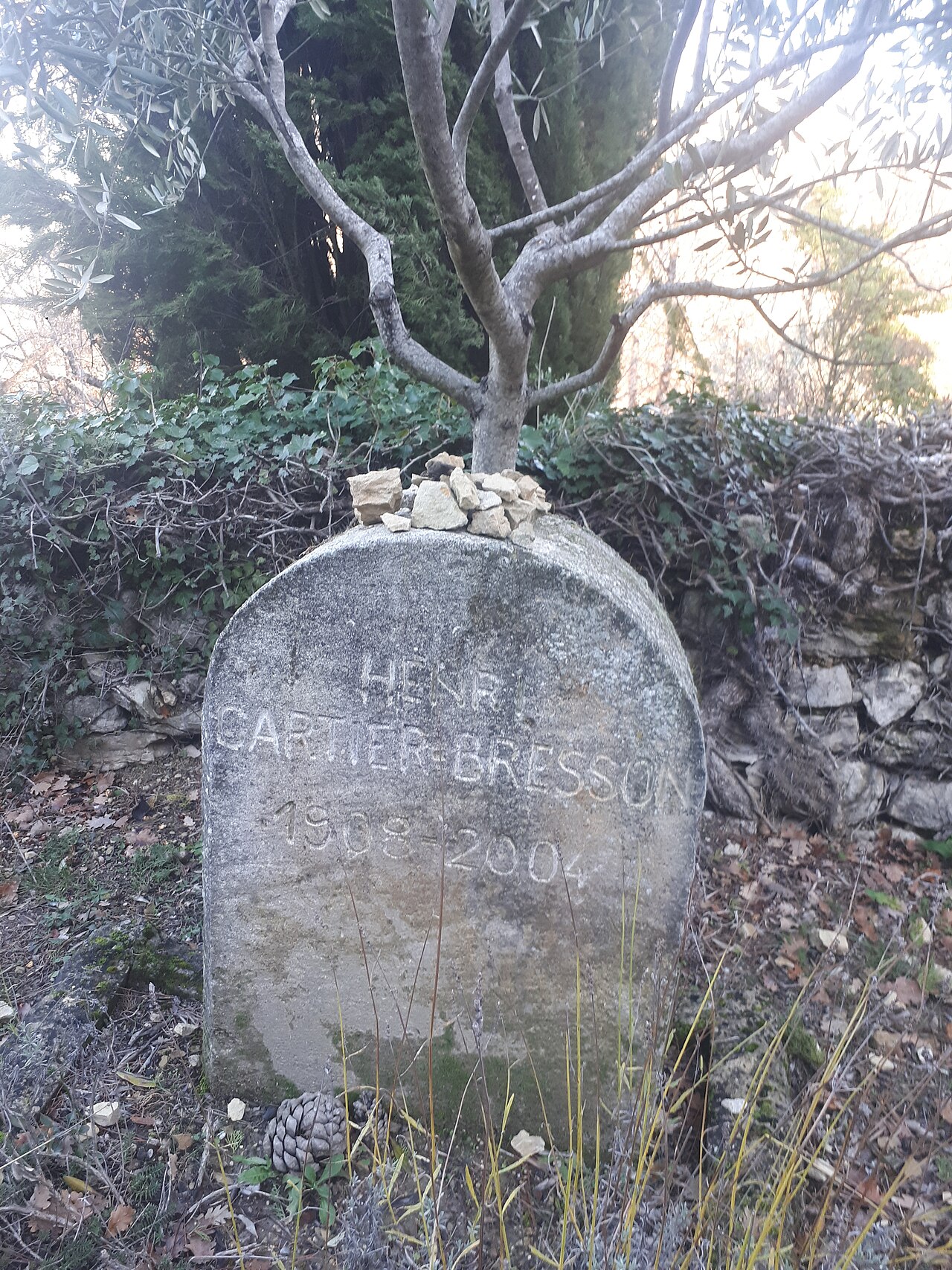
He was a French photographer and painter, born in 1908 and active until his death in 2004, who became a defining figure in candid and street photography. He is also recognized as an early adopter of 35mm film for serious artistic work.
What is the "decisive moment" in Cartier-Bresson's work?
It is the idea that a photograph reaches its peak when every visual element lines up perfectly in a single, unrepeatable instant. He treated that fleeting alignment as the essential criterion for choosing and composing an image.
What was Cartier-Bresson's role in Magnum Photos?
In 1947 he co-founded the Magnum Photos cooperative alongside other leading photographers. The agency went on to become a cornerstone institution in photojournalism and remains in operation today.
Why did Cartier-Bresson stop taking photographs?
During the 1970s he largely set aside his camera to devote his creative energy to painting. This marked a deliberate shift in his artistic practice during his final decades of life.
Why is Henri Cartier-Bresson considered important in art history?
He is widely credited with establishing the visual grammar of street photography and demonstrating that a small 35mm camera could produce work worthy of major galleries. His humanist lens on everyday life set a standard that continues to shape how photographers approach the world.
More in Visual Artists 1-24
Elsewhere in the Visual Artists universe
Spotted an error? Know more?
This is a living reference — every entry is fact-audited, and reader corrections feed straight into our audit queue. Suggest an edit · See this site's audit record