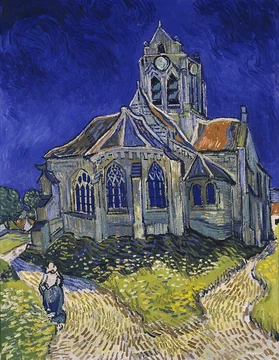
Giorgio Vasari
Italian painter, architect, and biographer who founded Western art history.

Giorgio Vasari · CC0
Giorgio Vasari (30 July 1511 – 27 June 1574) was an Italian Renaissance painter, architect, art historian, and biographer. He is best known for his work *Lives of the Most Excellent Painters, Sculptors, and Architects*, considered the ideological foundation of Western art-historical writing and still much cited in modern biographies of many Italian Renaissance artists. Vasari was a Mannerist painter highly regarded in his day, and he effectively served as what would later be called the minister of culture to the Medici court in Florence. His writings promoted, with enduring success, the idea of Florentine superiority in the visual arts.
- known_for
- Lives of the Most Excellent Painters, Sculptors, and Architects; introducing the
Lore & Background
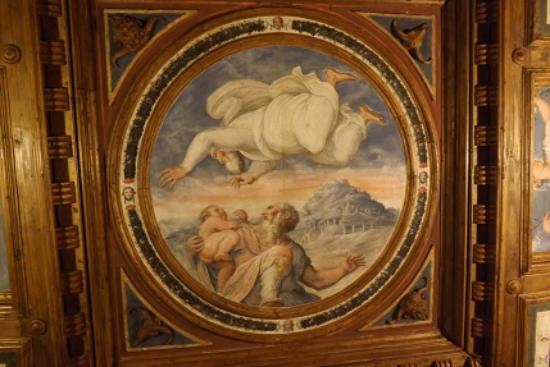
Vasari was born prematurely on 30 July 1511 in Arezzo, Tuscany. Recommended at an early age by his cousin Luca Signorelli, he became a pupil of Guglielmo da Marsiglia, a skillful painter of stained glass. Sent to Florence at sixteen by Cardinal Silvio Passerini, he joined the circle of Andrea del Sarto and his pupils, Rosso Fiorentino and Jacopo Pontormo, where his humanist education was encouraged. He was befriended by Michelangelo, whose painting style would influence his own. Vasari married Niccolosa Bacci, a member of one of the richest families of Arezzo. He was made Knight of the Golden Spur by the Pope and rose to the supreme office of gonfaloniere in Arezzo. In 1563, he helped found the Florentine Accademia e Compagnia delle Arti del Disegno, with Grand Duke Cosimo I de' Medici and Michelangelo as capi of the institution. He died on 27 June 1574 in Florence, aged 62. As a painter, Vasari visited Rome in 1529 to study Raphael and other High Renaissance artists. His Mannerist paintings were more admired in his lifetime than afterwards. In 1547, he completed frescoes in the Sala dei Cento Giorni at the Palazzo della Cancelleria in Rome. He worked regularly for the Medici in Florence and Rome, and also in Naples, Arezzo, and other places. His most important surviving paintings are on the wall and ceiling of the Sala di Cosimo I in the Palazzo Vecchio in Florence, where he worked from 1555. His last major commission was a vast *The Last Judgement* fresco on the ceiling of the Florence Cathedral cupola, begun in 1572 with Lorenzo Sabatini and completed after Vasari's death by Federico Zuccari. As an architect, Vasari designed the loggia of the Palazzo degli Uffizi, the Vasari Corridor connecting the Uffizi to the Palazzo Pitti, and renovated the medieval churches of Santa Maria Novella and Santa Croce in Florence. He also built the octagonal dome on the Basilica of Our Lady of Humility in Pistoia in 1562.
Reader's Guide
Vasari's enduring significance lies in his *Lives of the Most Excellent Painters, Sculptors, and Architects*, first published in 1550 and dedicated to Grand Duke Cosimo I de' Medici, then expanded in 1568 with woodcut portraits of artists. Often called the first art historian, he invented the genre of the encyclopedia of artistic biographies. Vasari introduced the term 'Rinascita' (rebirth) in print, which historian Jules Michelet later adopted as the French term 'Renaissance' in his *Histoire de France* (1835). Vasari also coined the modern use of the term 'Gothic art' to describe the pre-Renaissance style he identified as 'barbaric.' The *Lives* shows a consistent bias in favor of Florentines, systematically ignoring Venetian art in the first edition; the second edition gave more attention to Venice but without achieving a neutral point of view. Many inaccuracies exist: Vasari incorrectly wrote that Andrea del Castagno killed Domenico Veneziano, and his biography of Giovanni Antonio Bazzi ('Il Sodoma') condemned the artist as immoral despite Bazzi having been named a Cavalier of the Supreme Order of Christ by Pope Leo X. Vasari's anecdotes include likely fictions, such as young Giotto painting a fly that Cimabue tried to brush away. Despite these flaws, his biographies are considered more reliable for contemporary painters and those of the preceding generation. Vasari also used the term 'competition' ('concorrenza') in its economic sense, arguing it was 'one of the nourishments that maintain' Florentine artists.
Did You Know?
- Vasari was born prematurely on 30 July 1511 in Arezzo, Tuscany.
- He was made Knight of the Golden Spur by the Pope and rose to the supreme office of gonfaloniere in Arezzo.
- Vasari designed the Tomb of Michelangelo in the Basilica of Santa Croce, Florence, completed in 1578.
- He helped found the Florentine Accademia e Compagnia delle Arti del Disegno in 1563, with Grand Duke Cosimo I de' Medici and Michelangelo as capi.
- Vasari's last major commission was a vast *The Last Judgement* fresco on the ceiling of the Florence Cathedral cupola, begun in 1572 and completed after his death by Federico Zuccari.
A Life of Many Disciplines
Vasari was born prematurely in Arezzo, Tuscany, in 1511. His cousin Luca Signorelli recommended him early on, leading to apprenticeship under Guglielmo da Marsiglia, a stained-glass painter. At sixteen, Cardinal Silvio Passerini sent him to Florence, where he entered the circle of Andrea del Sarto alongside Rosso Fiorentino and Jacopo Pontormo. Michelangelo became a friend, and his style left a mark on Vasari's own work. By 1529 he had traveled to Rome to study Raphael and other High Renaissance masters. Over the decades, he painted frescoes across Florence, Rome, Naples, and Arezzo, including the famous Sala dei Cento Giorni in the Palazzo della Cancelleria and the vast Last Judgement on the Florence Cathedral dome, begun in 1572 and left unfinished at his death. He also designed the Uffizi loggia, the Vasari Corridor, and the octagonal dome in Pistoia. He married into one of Arezzo's wealthiest families, was knighted by the Pope, and rose to gonfaloniere of his native town. He died in Florence in 1574 at sixty-two.
The Lives and the Birth of Art History
In 1550, Vasari published Le Vite de' più eccellenti pittori, scultori, e architettori, a work dedicated to Grand Duke Cosimo I de' Medici. This book is widely regarded as the ideological foundation of Western art-historical writing and effectively invented the genre of the encyclopedic artistic biography. Vasari introduced the Italian term Rinascita — meaning rebirth — into print, applying it to the transformation in painting that began with Giotto. Centuries later, the French historian Jules Michelet, reading Vasari's description of Giotto's new manner, adopted the concept in his 1835 Histoire de France and coined the French word Renaissance to name the broader cultural shift. The term stuck and remains the standard label for the era. Though modern scholars note that Vasari's Lives contain numerous factual errors, particularly regarding artists who predated his own birth, the work continues to be cited in biographies of figures like Leonardo da Vinci and Michelangelo.
Architect of a City's Spine
Beyond his brushwork, Vasari left an indelible architectural imprint on Florence and beyond. His loggia at the Palazzo degli Uffizi frames the far end of a long, narrow courtyard, functioning as both a public piazza and what can be considered a unique Renaissance street with a unified architectural treatment. Perhaps most famously, he designed the Vasari Corridor, a covered passage linking the Uffizi to the Palazzo Pitti across the Arno. It runs alongside the river on an arcade, crosses the Ponte Vecchio, and winds around the exteriors of several buildings. In Pistoia, he raised the octagonal dome on the Basilica of Our Lady of Humility in 1562, a notable example of High Renaissance architecture. He also renovated the medieval churches of Santa Maria Novella and Santa Croce, stripping out their rood screens and lofts and remolding the retro-choirs in the Mannerist idiom of his era. In Rome, he collaborated with Giacomo Barozzi da Vignola and Bartolomeo Ammannati at Pope Julius III's Villa Giulia.
Patronage, Prestige, and the Medici Circle
Vasari occupied a singular position at the Medici court, functioning as what would later be called a minister of culture. He was regularly commissioned by members of the Medici family in both Florence and Rome, and his work in the Palazzo Vecchio — particularly the Sala di Cosimo I, where he and his assistants labored from 1555 — placed him at the heart of ducal representation. In 1563, alongside Grand Duke Cosimo I and Michelangelo as the institution's capi, he helped found the Florentine Accademia e Compagnia delle Arti del Disegno, selecting thirty-six artists as its founding members. His social standing was remarkable: the Pope made him a Knight of the Golden Spur, and he was elected to the municipal council of Arezzo, eventually rising to the supreme office of gonfaloniere. He built an elegant house in Arezzo in 1547, decorating its walls and vaults with paintings; it now serves as the Casa Vasari museum, while his Florentine residence is also preserved. His reputation as a Mannerist painter was at its peak during his lifetime, though later centuries have been less generous in their assessment.
Gallery

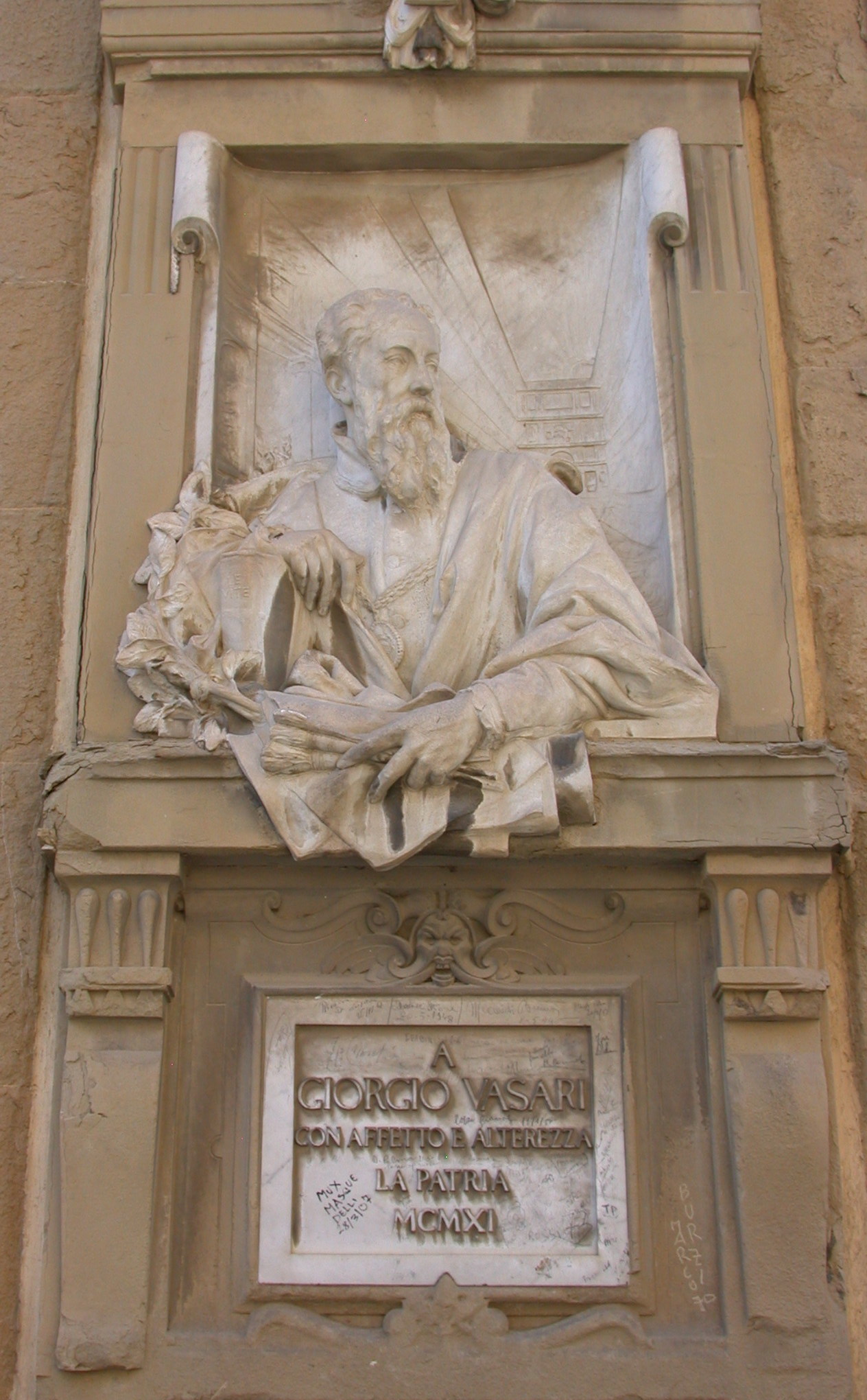
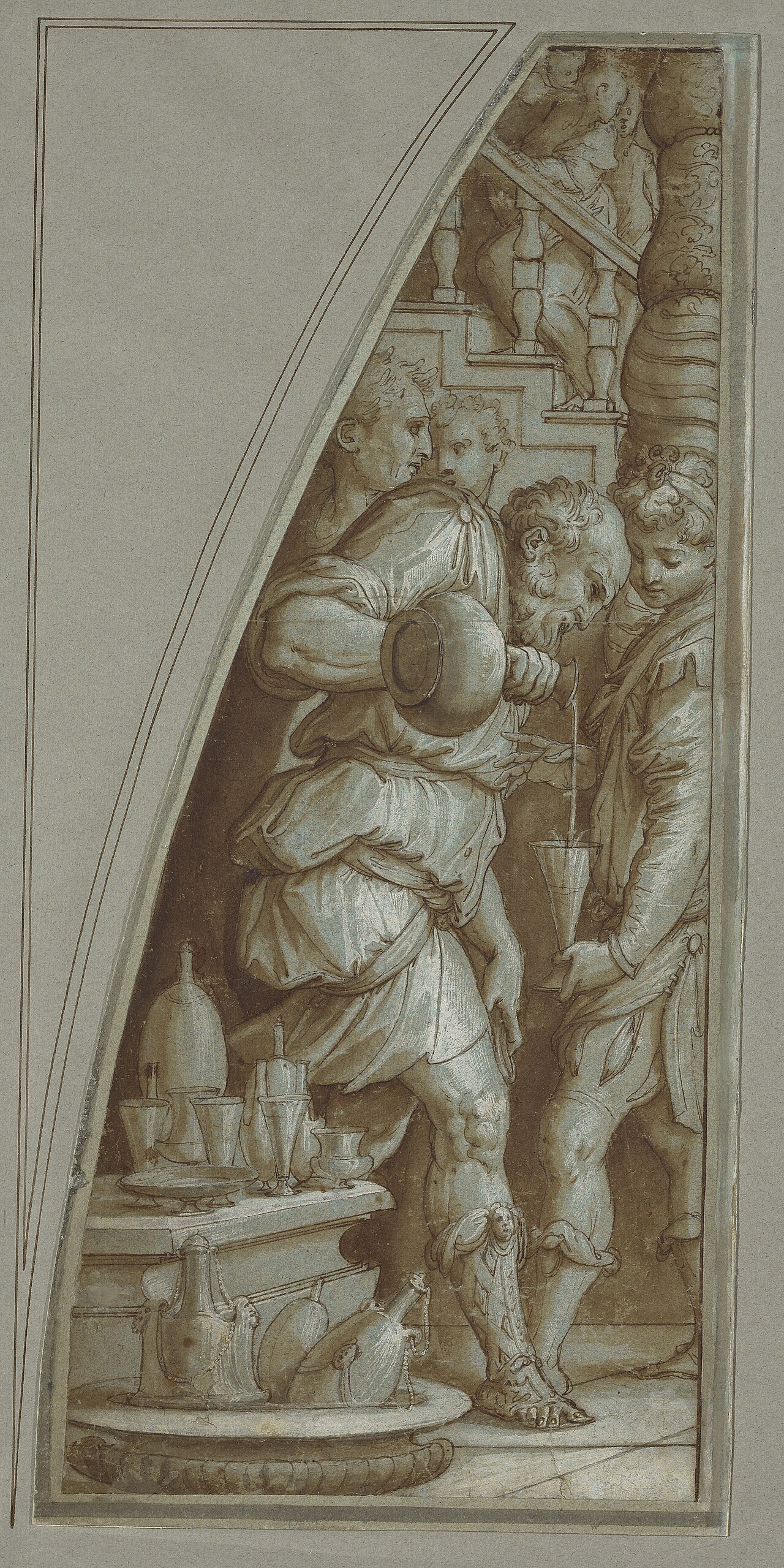
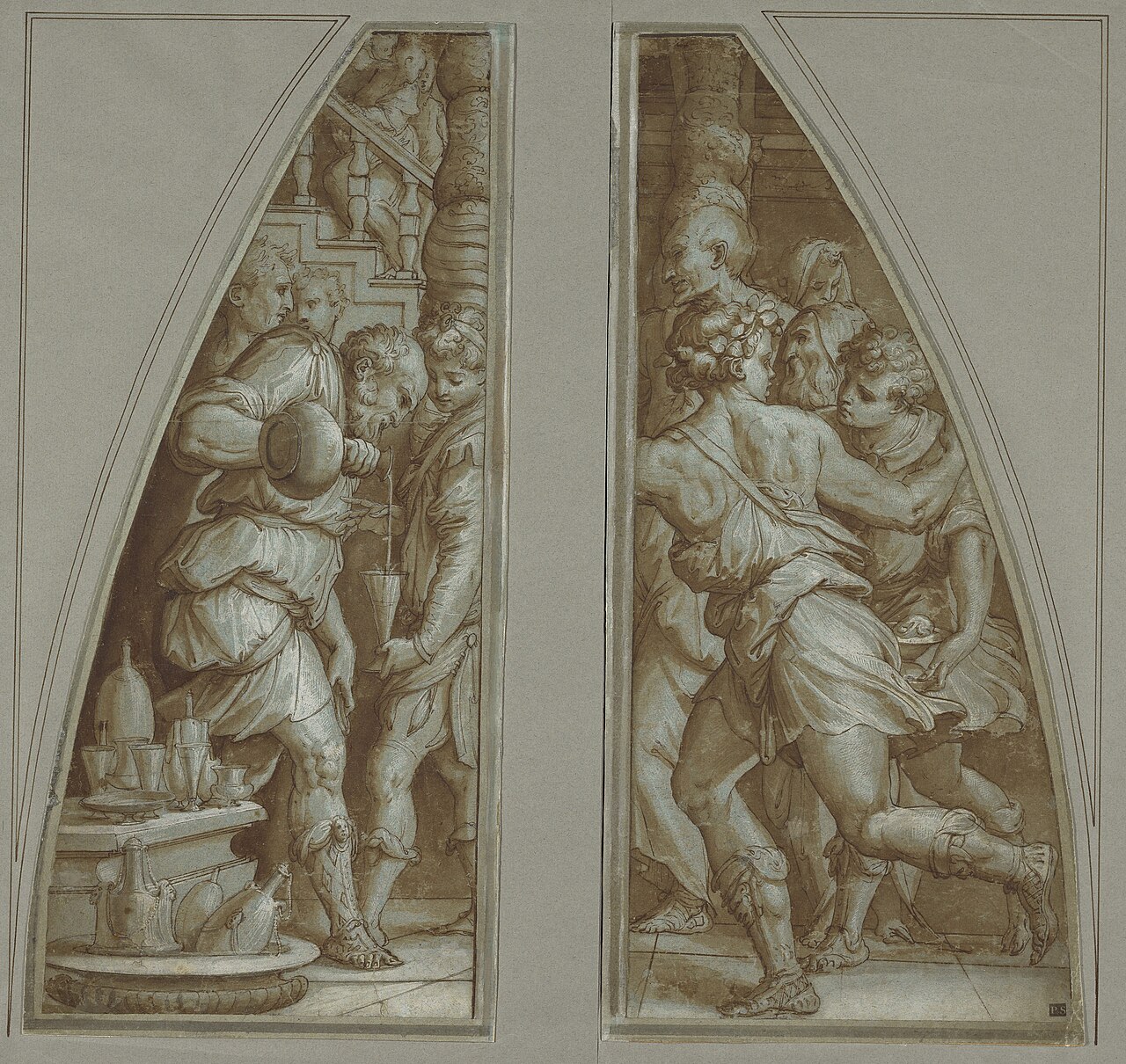
Frequently Asked Questions
Who is Giorgio Vasari?
Giorgio Vasari (1511–1574) was an Italian Renaissance figure who worked as a painter, architect, and biographer. He is most widely recognized as the person who essentially invented Western art-historical writing through his biographical volumes.
What is Vasari's most famous book?
His magnum opus, the Lives of the Most Excellent Painters, Sculptors, and Architects, profiles the careers of major Renaissance artists and established the template for how art history is written and cited to this day. In it, he also introduced the printed term 'Rinascita' (rebirth) to describe the period.
What buildings did Vasari design?
He is credited with designing the Vasari Corridor, the covered passageway linking the Palazzo Vecchio to the Pitti Palace, as well as the loggia of the Uffizi in Florence. These structures still stand as landmarks of the city's architectural heritage.
Why is Vasari considered important to art history?
His biographical writings laid the ideological groundwork for Western art-historical discourse, shaping how later scholars organize and evaluate artistic achievement. He also championed the notion that Florence held a preeminent place in the visual arts of the Renaissance.
What was Vasari's role at the Medici court?
He served as a trusted artistic advisor to the Medici family in Florence, overseeing major decorative and architectural commissions. This close relationship gave him access to the workshops and patrons he would later chronicle in his biographies.
More in Visual Artists 1-24
Elsewhere in the Visual Artists universe
Spotted an error? Know more?
This is a living reference — every entry is fact-audited, and reader corrections feed straight into our audit queue. Suggest an edit · See this site's audit record