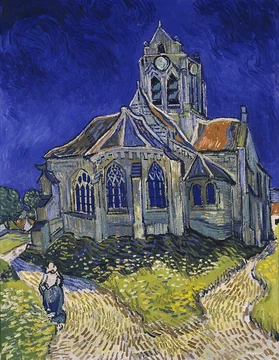
Gustave Courbet
French painter who led the Realism movement.

Gustave Courbet · CC0
Jean Désiré Gustave Courbet (10 June 1819 – 31 December 1877) was a French painter who led the Realism movement in 19th-century French painting. Committed to painting only what he could see, he rejected academic convention and the Romanticism of the previous generation of visual artists. His independence set an example that was important to later artists, such as the Impressionists and the Cubists. Courbet occupies an important place in 19th-century French painting as an innovator and as an artist willing to make bold social statements through his work.
- born
- 10 June 1819, Ornans, France
- died
- 31 December 1877, Switzerland (in exile)
- field
- Painting
- nationality
- French
- known_for
- Leading the Realism movement; works such as The Stone Breakers and A Burial at O
Verified Timeline
Lore & Background
Gustave Courbet was born in 1819 to Régis and Sylvie Oudot Courbet in Ornans (department of Doubs). Anti-monarchical feelings prevailed in the household; his maternal grandfather fought in the French Revolution. His sisters Zoé, Zélie, and Juliette were his first models for drawing and painting. After moving to Paris in 1839, he worked at the studio of Steuben and Hesse but soon left, preferring to develop his own style by studying Spanish, Flemish, and French masters in the Louvre and painting copies of their work. His first works included an Odalisque inspired by Victor Hugo and a Lélia illustrating George Sand, but he soon abandoned literary influences, choosing instead to base his paintings on observed reality. Trips to the Netherlands and Belgium in 1846–47 strengthened his belief that painters should portray the life around them, as Rembrandt, Hals, and other Dutch masters had. By 1848, he had gained supporters among the younger critics, the Neo-romantics and Realists, notably Champfleury. Courbet achieved his first Salon success in the Salon of 1849 with his painting After Dinner at Ornans, which earned a gold medal and was purchased by the state. In 1849–50, he painted The Stone Breakers (destroyed in the Allied Bombing of Dresden in 1945), which Proudhon admired as an icon of peasant life; it has been called 'the first of his great works.' The painting was inspired by a scene Courbet witnessed on the roadside. He later explained to Champfleury and the writer Francis Wey: 'It is not often that one encounters so complete an expression of poverty and so, right then and there I got the idea for a painting. I told them to come to my studio the next morning.' The Salon of 1850–1851 found him triumphant with The Stone Breakers, the Peasants of Flagey, and A Burial at Ornans. The Burial, one of Courbet's most important works, records the funeral of his grand uncle which he attended in September 1848. People who attended the funeral were the models for the painting. The vast painting, measuring 10 by 22 feet (3.0 by 6.7 meters), drew both praise and fierce denunciations from critics and the public, in part because it upset convention by depicting a prosaic ritual on a scale which would previously have been reserved for a religious or royal subject. Courbet said of it, 'Burial at Ornans was in reality the burial of romanticism.' He became a celebrity and was spoken of as a genius, a 'terrible socialist' and a 'savage.' He associated his ideas of realism in art with political anarchism, and, having gained an audience, he promoted political ideas by writing politically motivated essays and dissertations. Courbet was imprisoned for six months in 1871 for his involvement with the Paris Commune and lived in exile in Switzerland from 1873 until his death four years later.
Reader's Guide
Courbet's significance lies in his role as the leader of the Realism movement in 19th-century French painting. He rejected academic convention and the Romanticism of the previous generation, committing to painting only what he could see. He challenged convention by depicting unidealized peasants and workers, often on a grand scale traditionally reserved for paintings of religious or historical subjects. His work, along with that of Honoré Daumier and Jean-François Millet, became known as Realism. For Courbet, realism dealt not with the perfection of line and form, but entailed spontaneous and rough handling of paint, suggesting direct observation by the artist while portraying the irregularities in nature. He depicted the harshness of life, and in doing so challenged contemporary academic ideas of art. His independence set an example that was important to later artists, such as the Impressionists and the Cubists. Courbet's paintings of the late 1840s and early 1850s brought him his first recognition. Among his most notable works are The Stone Breakers (1849–50), which was destroyed in the Allied Bombing of Dresden in 1945, and A Burial at Ornans (1849–50), a vast painting measuring 10 by 22 feet that recorded the funeral of his grand uncle. Courbet was imprisoned for six months in 1871 for his involvement with the Paris Commune and lived in exile in Switzerland from 1873 until his death four years later.
Did You Know?
- Courbet's painting The Stone Breakers was destroyed during the Allied Bombing of Dresden on 13–15 February 1945, when a transport vehicle moving it to Königstein Fortress was bombed.
- A Burial at Ornans measures 10 by 22 feet (3.0 by 6.7 meters) and used the actual townspeople who attended the funeral as models.
- Courbet was imprisoned for six months in 1871 for his involvement with the Paris Commune.
- His maternal grandfather fought in the French Revolution, and anti-monarchical feelings prevailed in his household.
- Courbet's first Salon success came in 1849 with After Dinner at Ornans, which earned a gold medal and was purchased by the state.
The Forging of an Independent Artist
Born in 1819 in Ornans, in the Doubs department, to a household steeped in anti-monarchical feeling, Courbet carried a rebellious temperament from the start. His sisters Zoé, Zélie, and Juliette served as his first drawing models before he ever left the family home. He arrived in Paris in 1839 and briefly worked at the studio of Steuben and Hesse, but his restless independence quickly led him to abandon that structured environment. Instead, he immersed himself in the Louvre, studying and copying works by Spanish, Flemish, and French masters. His earliest canvases drew on literary sources—an Odalisque inspired by Hugo, a Lélia after George Sand—but he soon rejected these in favor of painting directly from observed reality. A series of self-portraits from the early 1840s, including the theatrical Desperate Man and the more composed Self-Portrait with Black Dog, reveal an artist experimenting with different personas. Trips to the Netherlands and Belgium in 1846–47, where he encountered the work of Rembrandt and Hals, cemented his conviction that painters should depict the world immediately around them. By 1848, younger critics like Champfleury had recognized him as a kindred spirit.
Social Canvas: Painting the World as It Is
Courbet's most provocative canvases emerged in the late 1840s and early 1850s, when he placed unidealized peasants and laborers on the grand scale traditionally reserved for religious or historical subjects. After Dinner at Ornans, shown at the 1849 Salon, earned him a gold medal and a state purchase; its composition echoed the domestic gravity of Chardin and Le Nain. The Stone Breakers, painted in 1849–50 after he witnessed two men—one young, one old—struggling with backbreaking roadside labor near his hometown, caused a sensation at the 1850 Salon. Unlike other artists who softened rural poverty into something almost pastoral, Courbet presented the raw, unflinching reality of manual toil, and Proudhon hailed the painting as an icon of peasant life. The work was later destroyed in 1945 when Allied forces bombed a transport vehicle moving it to the Königstein Fortress near Dresden, where German troops had hastily loaded artworks from galleries and museums during the war.
A Philosophy of Seeing
Courbet rejected both the Romanticism of the previous generation and the academic conventions that dominated the Paris Salon. He argued that artists of any given century are fundamentally unable to reproduce the look of a past or future one, and that the only legitimate source for living art is the painter's own direct experience. His Realism was not about perfecting line or form in the academic sense; rather, it demanded a spontaneous, rough handling of paint that conveyed the irregularities of nature as seen through the artist's eye. He painted landscapes, seascapes, hunting scenes, nudes, and still lifes, and he maintained a lifelong attachment to his native Franche-Comté and his birthplace of Ornans. His commitment to depicting only what he could see—peasants, workers, the rural bourgeoisie, the harshness of everyday life—placed him alongside Daumier and Millet as a defining voice of the Realist movement and set him apart from both Neoclassical and Romantic traditions.
Exile, Imprisonment, and Lasting Influence
Courbet's bold social convictions eventually cost him his freedom. In 1871, he was imprisoned for six months for his involvement with the Paris Commune. From 1873 until his death on 31 December 1877, he lived in exile in Switzerland, far from the Parisian art world he had helped reshape. Yet his influence outlived his years of confinement. His insistence on artistic independence—painting without reliance on academic approval, literary subject matter, or idealized beauty—set a precedent that proved crucial to later generations. Both the Impressionists and the Cubists drew on his example of an artist who refused to subordinate personal vision to institutional expectation. In the broader narrative of nineteenth-century French painting, Courbet stands as both an innovator who expanded the range of acceptable subject matter and a figure willing to make unflinching social statements through his work, bridging the gap between the academic establishment and the avant-garde movements that would follow.
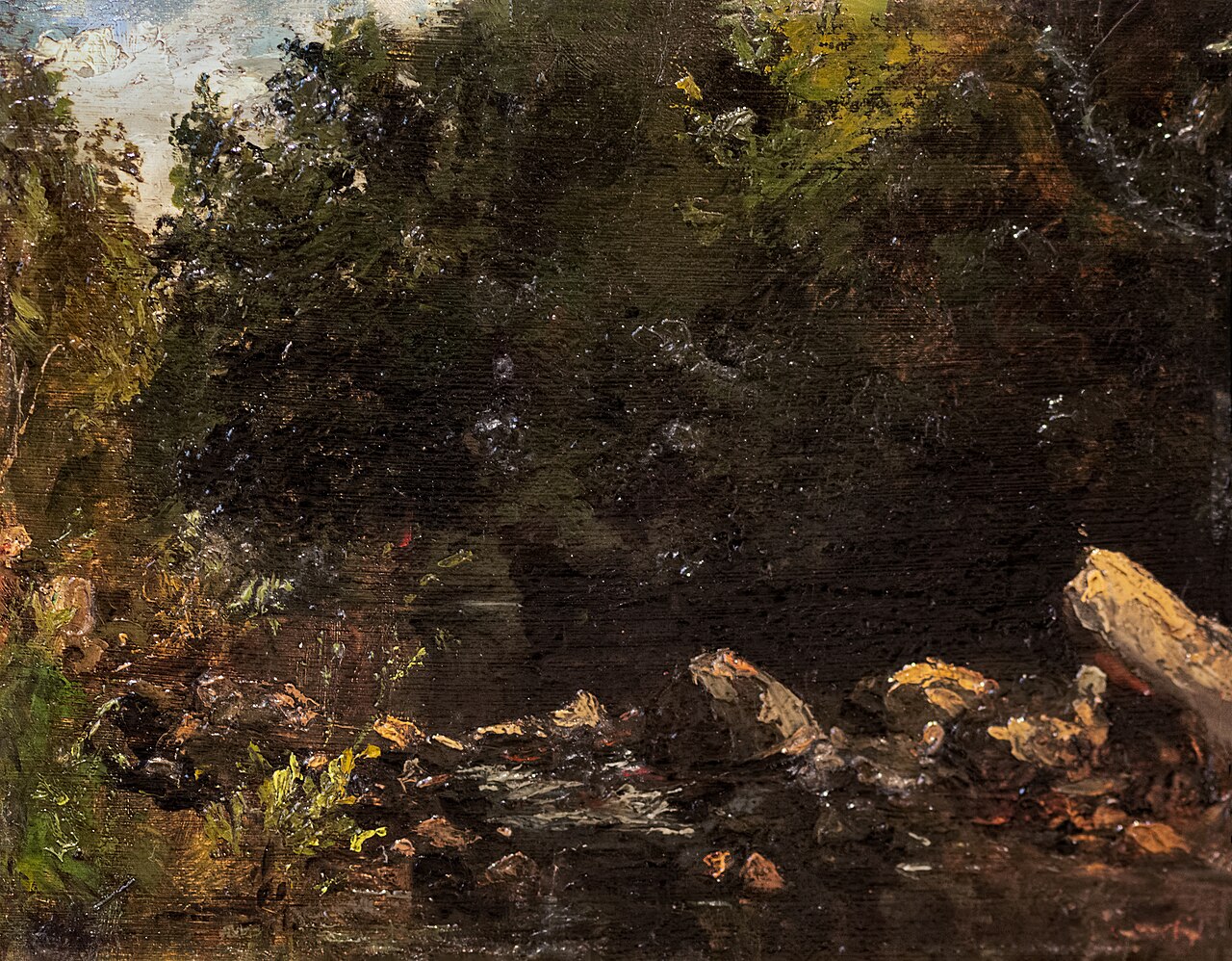
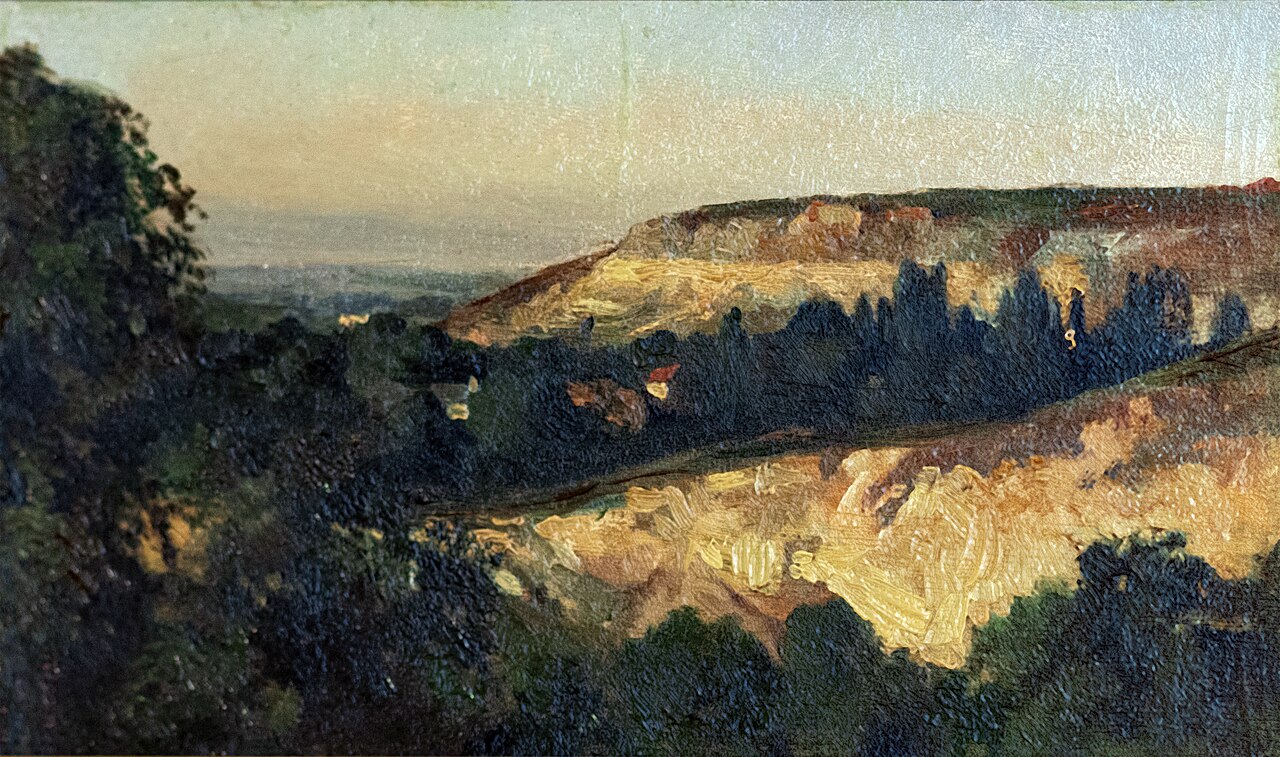
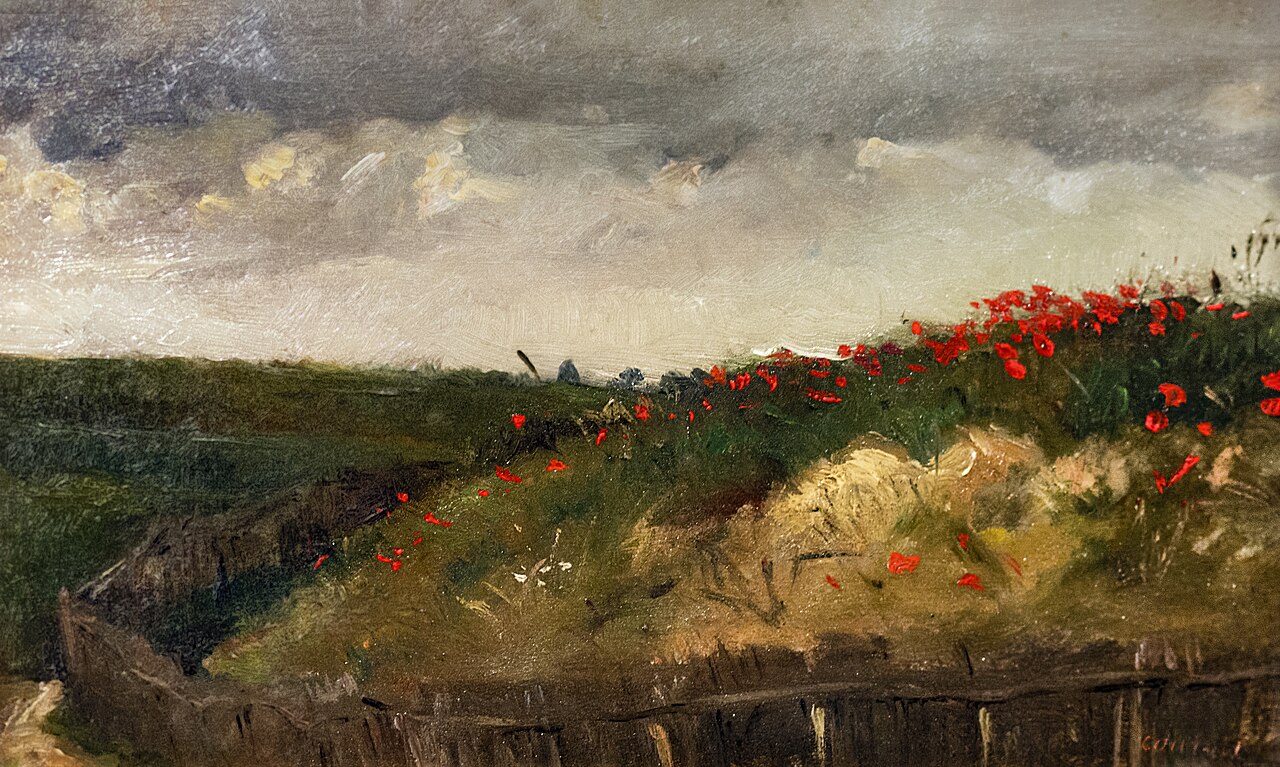
Gallery
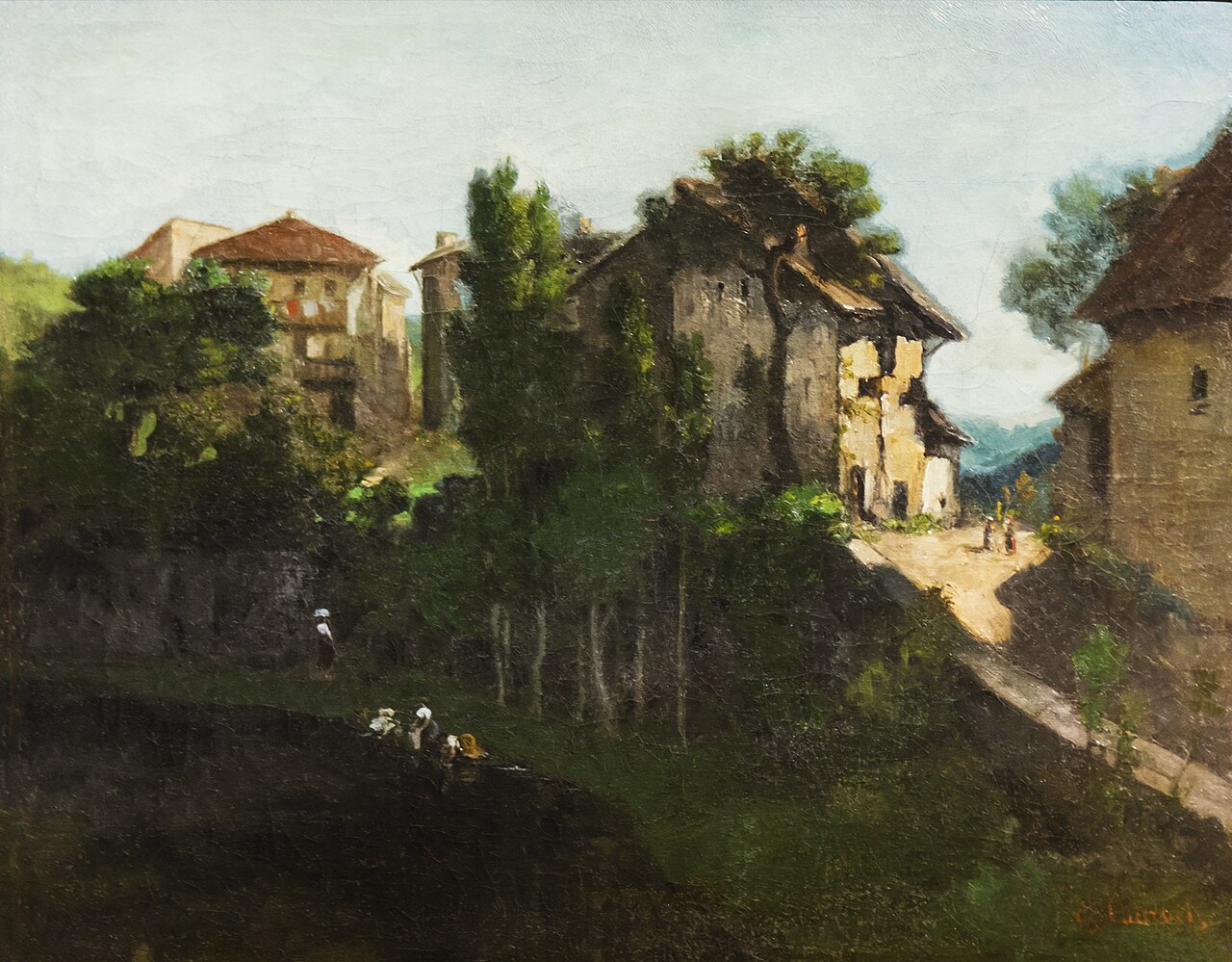
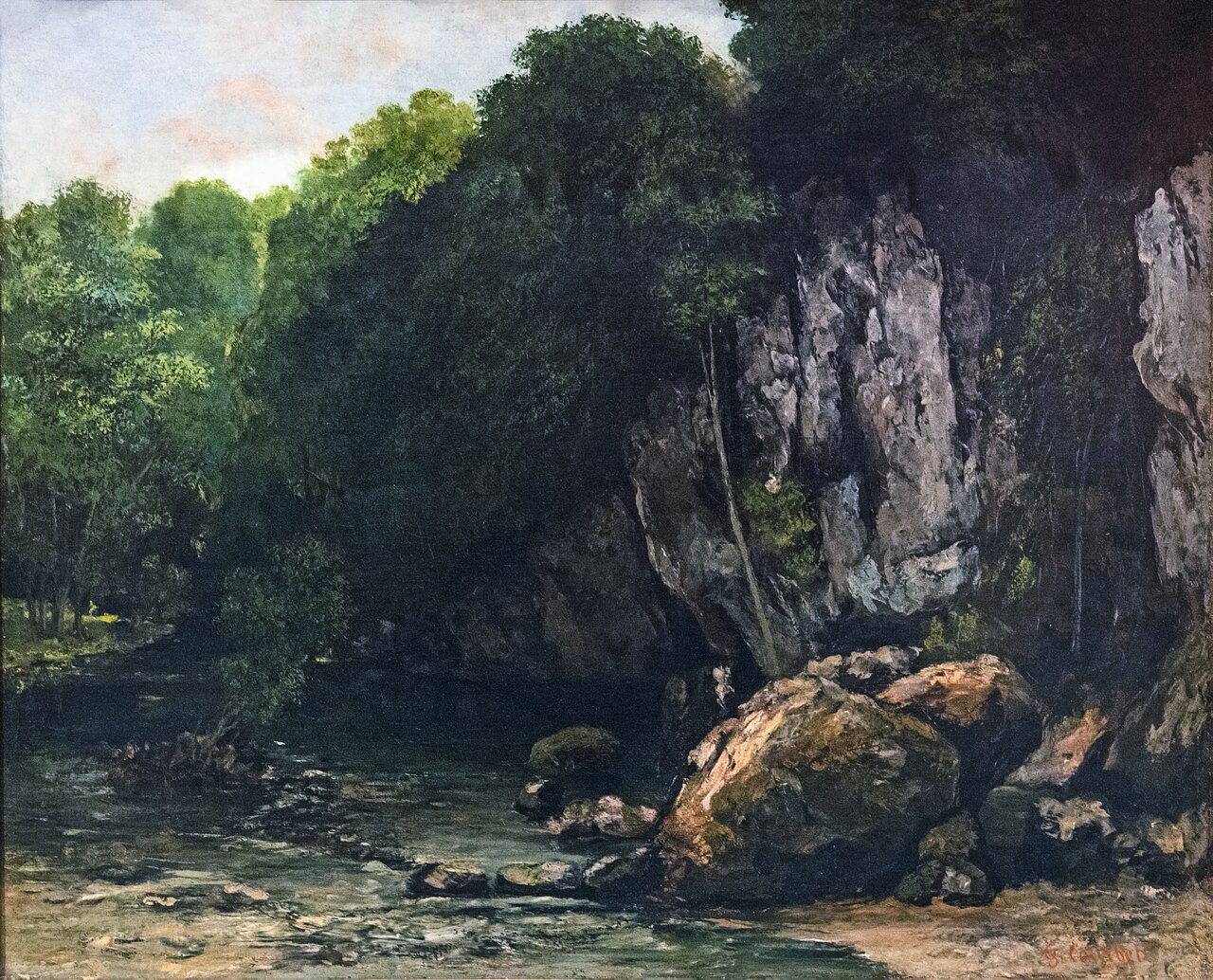
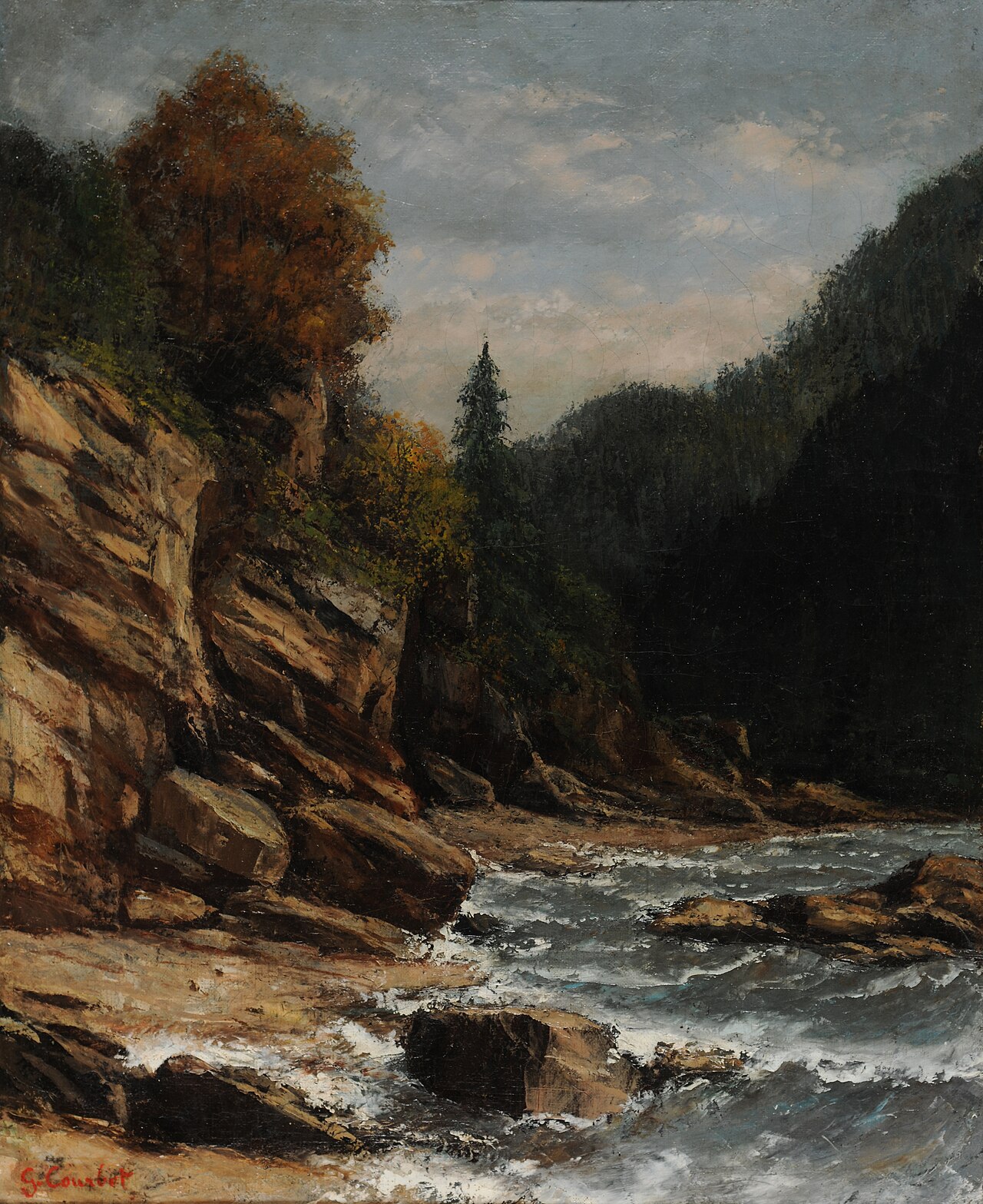
Frequently Asked Questions
Who is Gustave Courbet?
Gustave Courbet was a French painter born in 1819 in Ornans who became the central figure of the Realism movement in 19th-century art. He insisted on depicting only what he could actually see, rejecting both academic tradition and the emotional excess of Romanticism.
What movement is Gustave Courbet associated with?
Courbet is credited with leading the Realism movement, which prioritized honest, unidealized depictions of everyday life over the dramatic narratives favored by earlier Romantic painters. His refusal to follow academic rules paved the way for later groups like the Impressionists and Cubists.
What are Gustave Courbet's most famous paintings?
Two of his best-known works are The Stone Breakers and A Burial at Ornans, both of which center on ordinary people and working-class subjects rather than mythological or historical grandeur. These pieces exemplify his commitment to bold social commentary through straightforward observation.
Why is Gustave Courbet important in art history?
Courbet is regarded as a major innovator because his insistence on painting only what was visible challenged the dominant academic and Romantic conventions of his era. His independent approach and willingness to embed social statements in his work influenced generations of artists who followed.
How did Gustave Courbet's life end?
Courbet died on 31 December 1877 in Switzerland, where he was living in exile away from France. His death came after a period of political and artistic controversy that ultimately kept him from returning to his home country.
More in Visual Artists 1-24
Elsewhere in the Visual Artists universe
Spotted an error? Know more?
This is a living reference — every entry is fact-audited, and reader corrections feed straight into our audit queue. Suggest an edit · See this site's audit record